
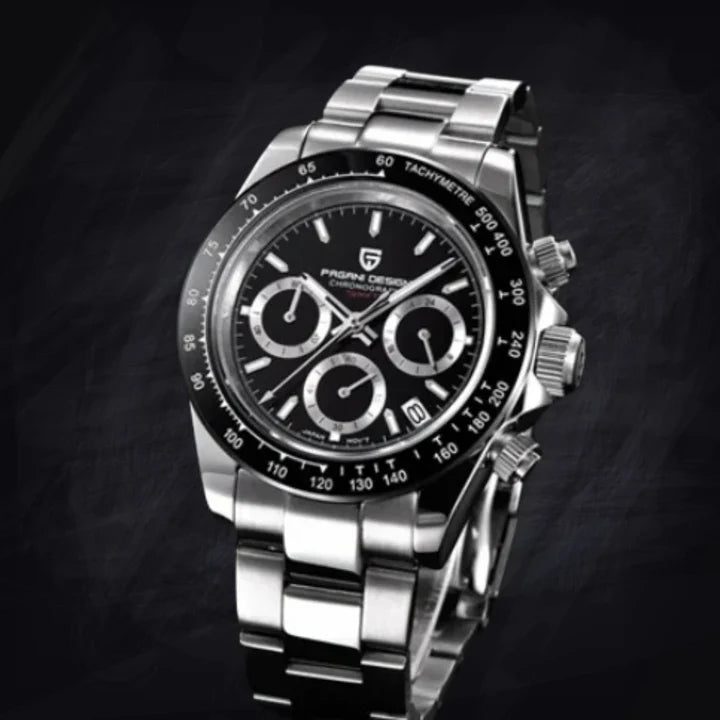
How to Clean a Stainless Steel Watch Safely
A stainless steel watch can collect sweat, dust, skin oils and dirt during everyday wear. Over time, that buildup can settle around the bracelet links, clasp, caseback and other small spaces, making the watch look dull and feel less comfortable on your wrist.
Learning how to clean a stainless steel watch helps you maintain its appearance and remove the residue that accumulates with regular use. The process is usually straightforward, but the method matters. Water resistance, surface finish, coatings and bracelet design can all affect which cleaning products and techniques are suitable.
This guide explains how to clean a stainless steel watch safely at home, how to remove dirt from metal bracelet links, what to avoid and when professional cleaning may be the better option.
What You Need to Clean a Stainless Steel Watch
Before you begin, gather a few basic supplies. You do not need expensive equipment for routine cleaning.
- A clean microfiber or other soft, lint-free cloth
- A soft-bristled toothbrush or watch-cleaning brush
- A small bowl of lukewarm water, if the manufacturer's instructions permit it
- A small amount of mild soap, only when suitable for your watch
- A dry, absorbent cloth
- A clean, soft surface where you can place the watch
Avoid abrasive pads, rough paper towels, scouring powders and harsh household cleaners. These can scratch the metal, affect coatings or damage the finish.
Before using water or any cleaning product, check the manufacturer's care instructions. If you do not know whether your watch can tolerate moisture, use a dry or slightly damp cloth only and keep water away from the case openings.
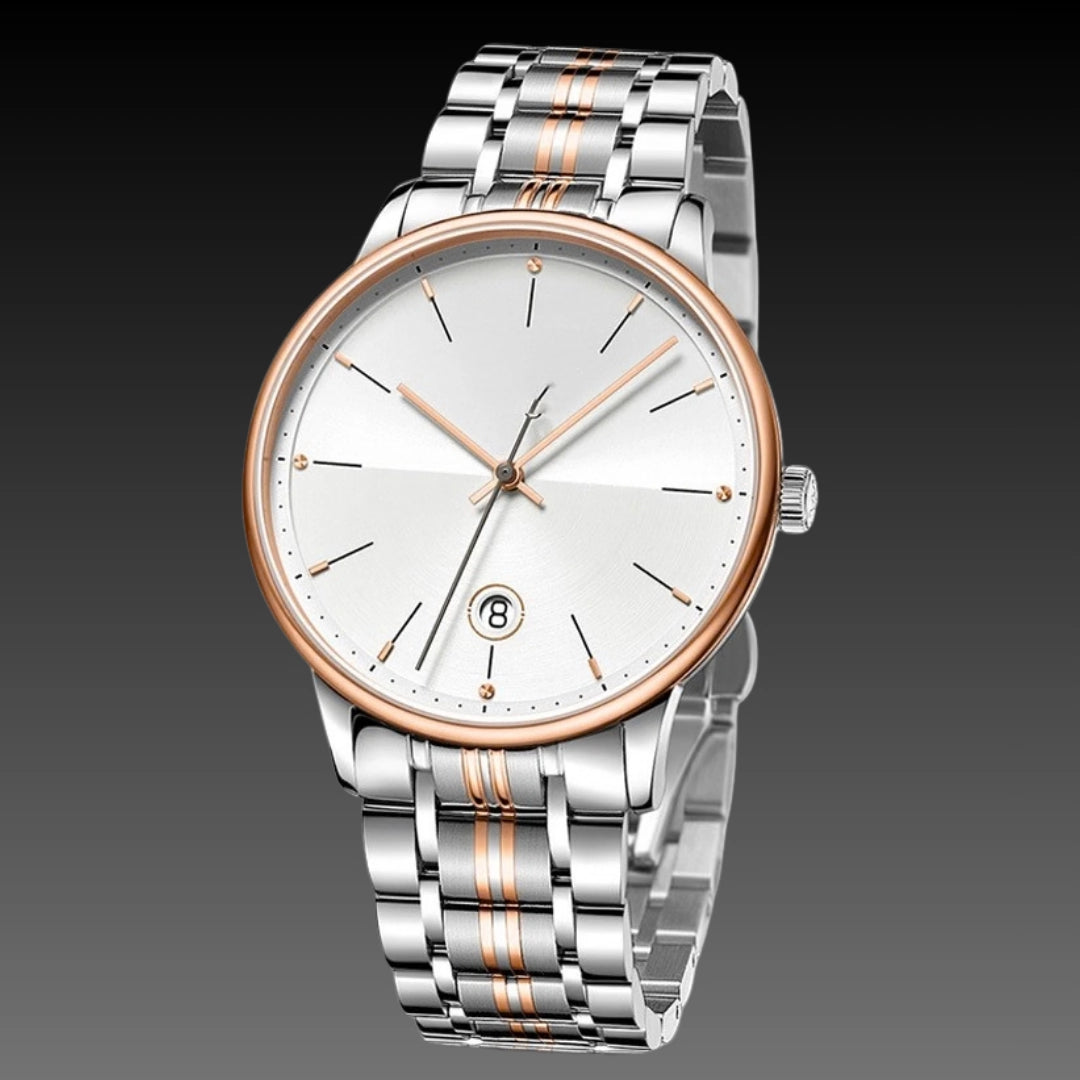
How to Clean a Stainless Steel Watch Step by Step
The safest cleaning method starts with removing surface dirt and then dealing with the bracelet separately from the watch case.
Step 1: Remove the Watch From Your Wrist
Take the watch off before cleaning it. This gives you better access to the caseback, clasp, bracelet and areas where dirt tends to collect.
Place it on a soft cloth to protect the crystal and metal finish from accidental scratches. If the watch has a leather, fabric or other non-metal strap, clean that strap according to its own material requirements rather than treating it like stainless steel.
Step 2: Check the Water-Resistance Instructions
Before introducing moisture, check the watch's manual or official product specifications.
Water resistance is not the same as being completely waterproof under every condition. Seals can deteriorate, crowns may not be secured correctly, and a watch that has been damaged or poorly maintained may no longer provide its original level of protection.
If the watch has a screw-down crown, make sure it is secured according to the manufacturer's instructions before any permitted exposure to moisture. Never assume that a particular rating makes every cleaning method safe.
If the watch is not water-resistant, its resistance is unknown, or you suspect damaged seals, do not rinse or soak it. Clean the exterior carefully with a dry or slightly damp cloth instead.
Step 3: Wipe Away Surface Dirt
Use a clean, soft cloth to wipe the case, bracelet and clasp. This removes loose dust, fingerprints, skin oils and light residue before you start brushing.
Work gently and avoid pressing particles across the surface, particularly if the watch is visibly gritty. Rubbing dirt against the metal can leave fine scratches.
Pay attention to the underside of the bracelet and the caseback because these areas remain in contact with your skin and can collect sweat throughout the day.
Step 4: Clean the Stainless Steel Bracelet
Metal bracelets often need more attention than the visible surfaces of the watch. Sweat and dirt can accumulate between the links, around the clasp and near the spring-bar connections.
If the manufacturer permits damp cleaning, lightly moisten a soft-bristled toothbrush with lukewarm water. If mild soap is permitted, use only a small amount diluted in water.
Brush gently along the bracelet and around the link joints. Avoid aggressive scrubbing, and do not force the brush into openings where water could reach the movement.
For a watch with uncertain water resistance, protect the watch head from moisture and avoid rinsing the assembled watch. If you cannot separate the bracelet safely, use a carefully controlled damp-cloth method or ask a watchmaker to clean it.
Step 5: Remove Dirt Between the Bracelet Links
The spaces between stainless steel links can trap stubborn grime that a cloth cannot reach.
Use a soft brush with light strokes to loosen the buildup. Move along the bracelet rather than pushing hard into the gaps. You can then wipe away the loosened dirt with a clean cloth.
Do not use needles, metal picks or sharp tools to scrape the links. These can scratch the finish, damage small components or leave marks that are difficult to remove.
If the dirt is compacted, sticky or difficult to remove without force, professional bracelet cleaning is safer than aggressive home scrubbing.
Step 6: Clean the Clasp and Case Exterior
Open the clasp and wipe its accessible surfaces. Dirt can collect around folding sections, hinges and the areas where the bracelet closes.
For the case, use a soft cloth and clean gently around the lugs, bezel and caseback. A soft brush may help remove loose dirt from exterior crevices, but avoid getting moisture into the crown, pushers, caseback joints or other openings.
Be especially careful with gold-coloured, black-coated or otherwise plated stainless steel. The base metal may be stainless steel, but the surface treatment can respond differently to friction and cleaning products.
Step 7: Clean the Watch Face and Crystal Carefully
The dial and crystal need a gentler approach than the bracelet.
Use a clean microfiber cloth to remove fingerprints and light surface residue. If necessary, lightly dampen the cloth, provided the manufacturer's instructions permit it.
Do not spray cleaning products directly onto the crystal or case. Keep liquid away from the crown, pushers and case openings.
Avoid abrasive polishing compounds and household cleaners unless the manufacturer specifically approves them for the particular crystal and finish. Sapphire, mineral glass and acrylic crystals have different care requirements, and the appropriate treatment depends on the material.
If residue is trapped beneath the crystal, do not attempt to clean inside the watch yourself. That requires professional inspection.
Step 8: Dry the Watch Thoroughly
Drying is an essential part of cleaning a stainless steel watch.
Use a clean, absorbent, lint-free cloth to remove remaining moisture from the case, bracelet and clasp. If the bracelet has multiple links, pay attention to the gaps where water can remain trapped.
Allow the watch to air-dry in a well-ventilated place if necessary. Do not use a hair dryer, heater or direct high heat to speed up the process.
If moisture appears beneath the crystal or you suspect that water has entered the case, stop using the watch and arrange a professional inspection.
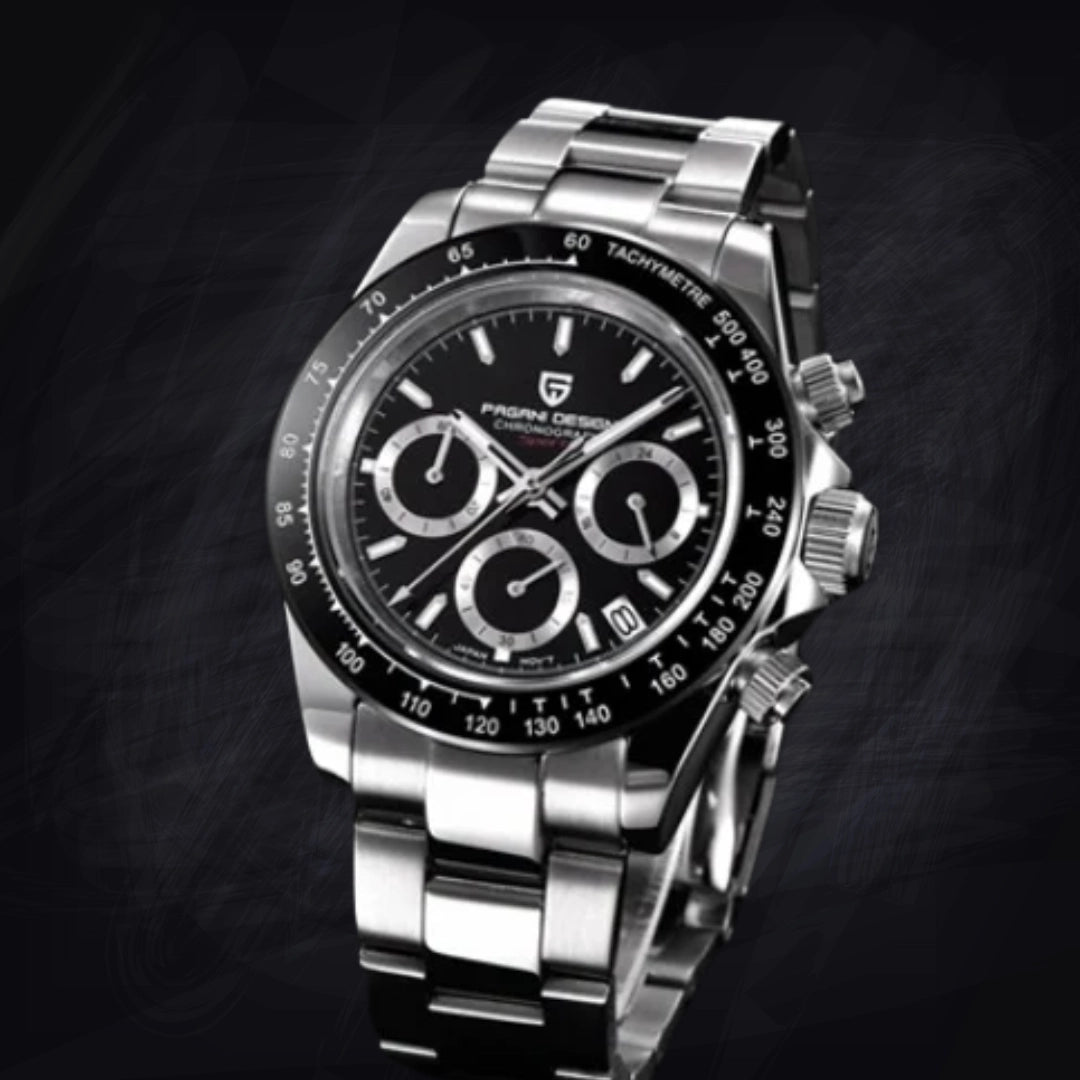
How to Clean a Stainless Steel Watch Band
A stainless steel watch band can usually be maintained with regular wiping and occasional gentle cleaning. The exact method depends on its construction and the watch's water-resistance limitations.
For a standard solid-link bracelet, use a soft cloth for routine cleaning. When heavier dirt builds up, a soft brush may help clean the joints, provided the manufacturer permits the use of moisture.
For a metal mesh bracelet, use a soft cloth and a gentle brush that will not snag the fine mesh. Avoid pulling at the weave or pressing sharp objects into it.
For a bracelet with gold plating, black coating or another decorative finish, use the cleaning method recommended by the manufacturer. Avoid abrasive polishing products that could remove or dull the surface treatment.
If the bracelet can be detached safely and the manufacturer permits separate cleaning, cleaning it away from the watch head may reduce the risk of moisture entering the case. If you are unsure how to remove it, leave the bracelet attached and use a suitable surface-cleaning method instead.
How to Remove Tough Grime From a Stainless Steel Watch
Stubborn grime commonly collects around bracelet joints, the clasp, the caseback edge and the spaces around the lugs.
Start with a dry microfiber cloth to remove loose dirt. If the manufacturer's instructions allow it, use a soft-bristled brush with a small amount of lukewarm water and mild soap on the appropriate metal surfaces.
Work in short, gentle strokes. Wipe away loosened residue and dry the area before inspecting it again. Repeating a gentle cleaning pass is safer than applying more pressure.
Avoid bleach, strong solvents, scouring powders, abrasive pads and unapproved chemical cleaners. These products may damage coatings or finishes, even when the underlying steel is durable.
If the grime does not come away easily, or appears to be corrosion rather than ordinary dirt, stop and seek professional advice. Aggressive cleaning may make the problem worse.
How Often Should You Clean a Stainless Steel Watch?
Cleaning frequency depends on how often you wear the watch and the conditions in which you use it.
For everyday wear, a quick wipe with a soft cloth after use helps remove sweat, oils and dust before they build up. A more detailed cleaning can be performed when you notice residue around the bracelet, clasp or case.
You may need to clean the exterior more frequently if you exercise while wearing the watch, spend time in hot weather or expose the bracelet to sweat, sunscreen or other residue. After exposure to saltwater, follow the manufacturer's rinsing and drying instructions for your specific watch.
There is no single cleaning schedule that suits every model. The goal is to remove buildup without exposing the watch to unnecessary moisture, friction or cleaning chemicals.
Can You Use Alcohol to Clean a Stainless Steel Watch?
Do not assume that rubbing alcohol is safe for every stainless steel watch.
Alcohol and other solvents may affect certain coatings, adhesives, seals, painted markings, straps or decorative finishes. Even when the bracelet itself is stainless steel, other parts of the watch may use different materials.
For routine cleaning, a soft cloth is usually the better starting point. If a particular watch manufacturer approves alcohol or a specialist cleaner for a specific surface, follow its instructions carefully and avoid applying the product directly to the assembled watch.
Never use bleach or harsh household solvents as a substitute for a watch-safe cleaning method.
How to Polish a Stainless Steel Watch
Cleaning and polishing are different processes.
Cleaning removes dirt, sweat, fingerprints and residue from the surface. Polishing is intended to alter the appearance of the metal and may remove a small amount of material to reduce the visibility of certain marks.
Before polishing, identify the finish of your watch. A polished surface, brushed steel, plated case and black-coated bracelet may all require different treatment.
Using an abrasive polish on brushed steel can change its texture. Polishing a plated surface can wear through the coating, while aggressive polishing around edges can alter the original shape and finish.
For light marks, start with ordinary cleaning and inspect the surface again. If scratches remain, consult a qualified watchmaker or specialist polishing service before using a polishing compound. Deep scratches and damage to coatings are not problems that routine cleaning can reliably fix.
Common Mistakes to Avoid When Cleaning a Stainless Steel Watch
Submerging the Entire Watch
Do not soak a watch simply because its product description mentions water resistance. The condition of the seals, crown position and manufacturer's guidance all matter.
Using Abrasive Materials
Scouring pads, rough brushes and abrasive cleaners can scratch the steel or damage its finish. Use soft materials and gentle pressure.
Spraying Cleaner Directly Onto the Watch
Liquid can run into the crown, pushers or case joints. Apply any permitted cleaner to a cloth or brush instead, and use it sparingly.
Ignoring the Bracelet Links
Dirt and sweat often collect between the links and around the clasp. Wiping only the visible top surface may leave much of the buildup behind.
Leaving the Watch Damp
Moisture trapped between the links can contribute to corrosion over time. Dry the bracelet and accessible case surfaces carefully after cleaning.
Treating Every Metal Finish the Same Way
Brushed, polished, plated and coated surfaces do not all tolerate the same treatment. Check the manufacturer's instructions before polishing or using chemicals.
Frequently Asked Questions
What is the best way to clean a stainless steel watch?
Start by wiping the watch with a soft microfiber cloth. Use a soft-bristled brush for dirt around the bracelet links, and use mild soapy water only where the manufacturer permits it. Avoid soaking the watch head and dry all cleaned surfaces thoroughly.
Can I clean a stainless steel watch with soap and water?
Some stainless steel bracelets can be cleaned with mild soap and water, but that does not mean every assembled watch can safely be rinsed. Check the manufacturer's instructions and water-resistance information first. If uncertain, keep water away from the case and use a slightly damp cloth only on suitable exterior surfaces.
How do I clean a stainless steel watch band without scratching it?
Use a soft cloth and, where permitted, a soft-bristled brush. Avoid abrasive pads, metal tools and excessive pressure. If the bracelet has a special coating or plated finish, follow the care instructions for that finish.
How do I clean dirt between stainless steel watch links?
Gently brush the spaces between the links with a soft-bristled brush. If moisture is permitted for your watch, a lightly damp brush can help loosen residue. Dry the bracelet thoroughly afterward and avoid sharp tools that could scratch or damage the links.
Can stainless steel watches rust?
Stainless steel is designed to resist corrosion, but it is not completely immune to it. Sweat, dirt, moisture, damaged coatings and corrosion-prone components can contribute to problems. Regular cleaning and drying help reduce residue buildup, while visible corrosion should be inspected rather than aggressively scrubbed away.
Can I use glass cleaner on my stainless steel watch?
Do not assume glass cleaner is suitable for every watch. Some products may affect coatings, seals or other materials, and manufacturer recommendations differ. Use a soft cloth and a cleaning method approved for your particular model.
How do I make a stainless steel watch shiny again?
Start by removing fingerprints, dirt and residue with a soft cloth. If the metal still looks dull because of scratches or a worn finish, cleaning alone may not restore its original appearance. Professional polishing may help, but it can remove material or damage certain coatings, so check the finish first.
How often should I clean my stainless steel watch?
Wipe it with a soft cloth regularly, especially after sweating or exposure to dirt. Perform a more detailed cleaning when residue builds up around the bracelet and clasp, following the manufacturer's instructions for moisture and cleaning products.
Final Thoughts
Keeping a stainless steel watch clean does not require expensive products or aggressive scrubbing. Regular wiping, gentle cleaning of the bracelet links and thorough drying can help maintain its appearance and remove the sweat and dirt that build up during everyday wear.
The most important precaution is to protect the watch's movement and surface finish. Check the manufacturer's instructions before using water or cleaning products, avoid abrasive polishing on coated or brushed surfaces, and leave stubborn grime or suspected corrosion to a professional when necessary.
If you are looking for a watch to complement your everyday style, explore our men's watch collection and check the specifications of each model before choosing one.
How Long Do Automatic Watches Last? Lifespan Guide
Which Wrist to Wear a Watch On? Left or Right?
Related Posts

What Is a Tourbillon Watch? How It Works & Why It Costs More
Swiss vs Japanese Watch Movements: Which Is Better?

Deployant Clasp: What It Is and How It Works

How to Adjust a Watch Band: Step-by-Step Guide

5 ATM Water Resistance: What It Means for Your Watch

Which Wrist to Wear a Watch On? Left or Right?
