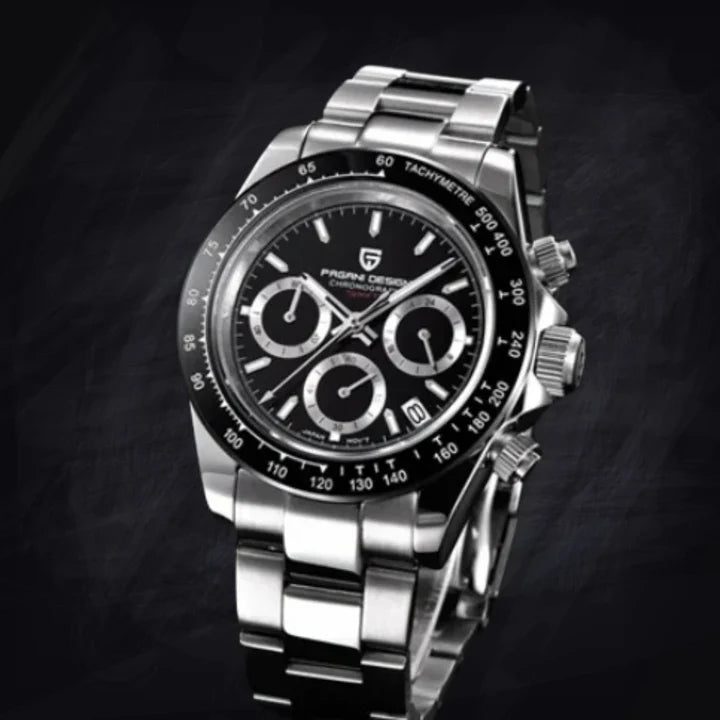

How to Adjust a Watch Band: Step-by-Step Guide
A watch should fit comfortably on your wrist without sliding around, pinching your skin or feeling too tight. If your new watch has a loose metal bracelet or a strap that does not sit properly, learning how to adjust a watch band can help you achieve a more secure and comfortable fit.
The right method depends on the type of band you have. A metal bracelet may need link removal or clasp adjustment, while a leather strap usually adjusts through its buckle holes. Mesh bracelets, silicone straps and fabric bands have their own adjustment mechanisms.
In this guide, you will learn how to adjust a watch band at home, which tools you may need, how to tighten different strap types, and when it is safer to ask a professional for help.
How to Adjust a Watch Band: Start by Identifying the Type
Before making any changes, turn your watch over and inspect the band, clasp and underside of the bracelet. Different watch bands use different fastening systems, so identifying yours first can help prevent scratches or damage.
Here is a quick overview:
| Watch band type | How to adjust it | Tools usually needed |
|---|---|---|
| Metal link bracelet | Remove or add compatible links | Bracelet-specific link tool or screwdriver |
| Metal bracelet with micro-adjustment | Move the clasp to another adjustment position | Suitable spring-bar tool or manufacturer-specified tool |
| Milanese mesh band | Slide the clasp along the mesh | Small flat tool, if required by the clasp |
| Leather strap | Move the buckle pin to another existing hole | Usually no additional tool |
| Silicone or rubber strap | Use existing holes or a designed adjustment mechanism | Usually no tool for existing holes |
| Nylon or fabric strap | Reposition the strap through its buckle or keepers | Usually no tool |
Not every metal bracelet uses the same pin system, and not every clasp opens in the same way. Check the manufacturer's instructions before removing pins, unscrewing links or releasing a clasp.
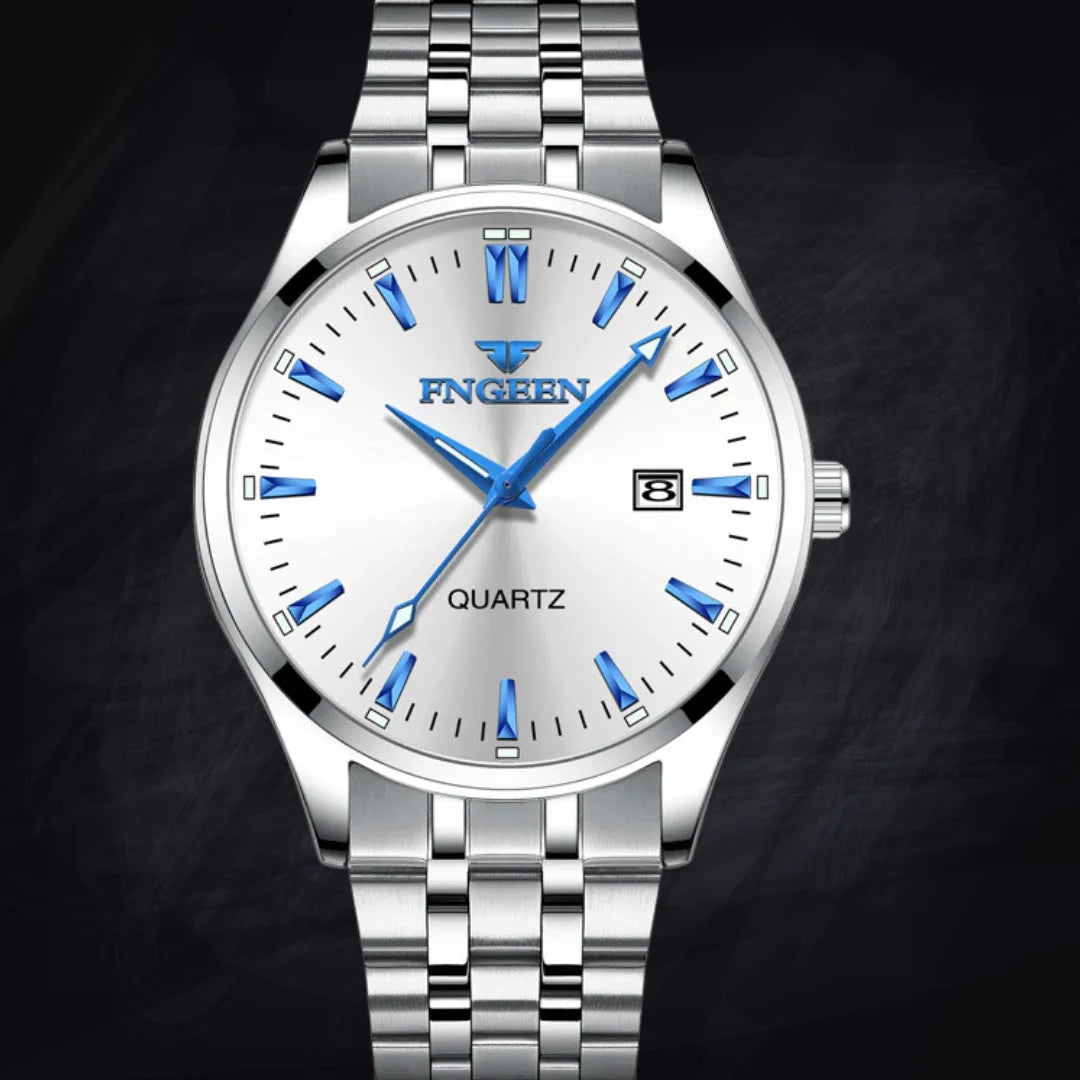
How to Adjust a Metal Watch Band
Metal watch bracelets are commonly adjusted by removing or adding links. Some bracelets also have a clasp that allows smaller adjustments without removing a full link.
If your metal watch band is too loose, start by checking whether the clasp has a micro-adjustment feature. It may provide enough adjustment to improve the fit without changing the bracelet's link count.
Step 1: Check the Clasp Before Removing Links
Place the watch on your wrist and close the clasp normally. If the bracelet is only slightly loose, inspect the inside of the clasp for a row of small adjustment holes or a built-in sliding mechanism.
Some clasps use a spring bar that can be moved between positions. Others have a different adjustment system.
If your clasp has clearly marked adjustment positions, follow the manufacturer's instructions to move it one position at a time. Check the fit after each change.
This is usually a better first step than immediately removing links because it allows you to make a smaller adjustment.
Step 2: Identify the Bracelet's Link Fastening System
If clasp adjustment is not enough, inspect the underside of the bracelet.
You may find:
- Small arrows indicating the direction in which certain pins should be removed.
- Screw heads that secure individual links.
- A pin-and-collar system that uses small internal components.
- A bracelet design with proprietary connectors or a special removal tool.
Do not assume that all pins can be pushed out in the same direction. Some bracelets have different mechanisms, and using the wrong method can damage the links or cause small components to become lost.
If the bracelet does not have clear indicators and you cannot identify its construction, consult the watch's manual or a watchmaker before proceeding.
Step 3: Prepare the Watch and Tools
For a bracelet designed for DIY adjustment, prepare a clean, flat work surface with good lighting. Place a soft cloth beneath the watch to help prevent scratches.
Depending on the bracelet, you may need a link-removal tool, a suitable small screwdriver, a bracelet holder and a small container for pins or screws.
Avoid using a kitchen knife, improvised sharp object or an incorrectly sized screwdriver. These can slip, scratch the bracelet or damage the fastening mechanism.
Step 4: Determine How Many Links to Remove
Put the watch on your wrist and check how much excess movement the bracelet has. A bracelet that slides excessively around your wrist may need to be shortened.
Estimate the adjustment needed before removing anything. Work gradually rather than removing several links at once.
Where possible, remove or add links in a balanced way on both sides of the clasp. This can help keep the clasp positioned comfortably beneath the wrist.
The correct number of links depends on the bracelet's construction and your wrist size, so there is no universal number that works for every watch.
Step 5: Remove the Required Links Carefully
Follow the specific instructions for your bracelet's pin or screw system.
For an arrow-marked pin bracelet, use the correct link tool and follow the indicated removal direction. For a screw-link bracelet, use a screwdriver that fits the screw head properly. For a pin-and-collar design, take care not to lose the small collar that helps secure the connection.
Do not force a pin or screw that will not move. Resistance may indicate that you are using the wrong direction, tool or procedure.
If a link will not release with controlled pressure, stop and seek professional assistance.
Step 6: Reconnect the Bracelet and Check the Fit
After removing the required links, reconnect the bracelet using the correct pins, screws or other original fastening components.
Make sure each connection is fully seated and secure before putting the watch on. Close the clasp and gently check the bracelet for looseness at the joints.
Wear the watch for a few minutes and move your wrist naturally. It should feel secure without squeezing your skin or causing discomfort.
How to Adjust a Watch Band Without Tools
Whether you can adjust a watch band without tools depends on its design. Some adjustments require nothing more than moving a buckle pin or repositioning a sliding clasp. Others require specialist tools.
Adjusting a Leather Strap Without Tools
A conventional leather watch strap usually has a buckle and several pre-punched holes.
- Open the buckle.
- Move the buckle pin to an existing hole that gives you a more comfortable fit.
- Close the buckle normally.
- Thread the loose strap through its keeper loops.
- Check that the watch stays in place without squeezing your wrist.
Avoid punching a new hole without the appropriate tool and guidance. An incorrectly positioned hole can weaken the leather and make the strap more likely to tear.
Adjusting a Mesh Watch Band
Many Milanese mesh bracelets use a sliding clasp. Depending on the model, the clasp may be released with a small flat tool and repositioned along the mesh.
Only use this method if your clasp is designed for it. Open the clasp according to the manufacturer's instructions, slide it to the appropriate position and secure it completely before wearing the watch.
Never force the clasp open with a knife or pry at a part that does not appear designed to move.
For an example of this style, see the GiftLuxWatch Men's Ultra-Slim Mesh Watch, which has an adjustable stainless-steel Milanese mesh band and hook-buckle clasp.
Can You Adjust a Metal Watch Band Without Pins?
Some metal bands use screws, sliding clasps or other adjustment mechanisms rather than conventional push pins. These may not require a pin-removal tool, but they can still require a correctly sized screwdriver or another suitable tool.
A bracelet without visible arrows is not necessarily a bracelet that can be adjusted without pins. Identify the mechanism first, and avoid improvising with household objects.
How to Tighten a Watch Band That Is Too Loose
If your watch keeps sliding around your wrist, the correct adjustment depends on the type of band.
- Metal link bracelet: Try the clasp's micro-adjustment feature first. If that is insufficient, the bracelet may need compatible links removed.
- Milanese mesh band: Reposition the sliding clasp if the design permits it.
- Leather strap: Move the buckle pin to a smaller existing hole.
- Silicone or rubber strap: Use an existing hole or the adjustment system provided by the manufacturer.
- Nylon or fabric strap: Reposition the strap through its buckle and keepers, following its design.
A watch should not feel like a tight cuff. Your wrist can change size throughout the day, especially with changes in temperature and activity.
After tightening the band, wear the watch for several minutes. If it pinches, leaves persistent deep marks or causes discomfort, loosen it and reassess the fit.
How to Adjust a Watch Strap by Type
How to Adjust a Leather Watch Strap
Leather straps are usually the simplest to adjust because the buckle pin fits into one of several existing holes.
Choose a hole that keeps the watch stable while allowing comfortable wrist movement. Avoid pulling the strap so tightly that the leather bends sharply or presses into your skin.
If the available holes do not provide a good fit, ask a watchmaker or leather-strap specialist whether a new hole can be added safely.
You can also explore the GiftLuxWatch leather-strap watch collection for an example of a watch with a leather band.
How to Adjust a Stainless Steel Watch Band
Stainless-steel bracelets may use push pins, screws, pin-and-collar systems or other link connectors.
First, check whether the clasp provides a small adjustment. If you need a larger change, identify the link mechanism and use the correct procedure for that bracelet.
After adjusting it, check every connection and make sure the clasp closes securely. If you are unsure how the links are held together, a professional can usually resize the bracelet without the risk of damaging the finish.
How to Adjust a Silicone or Rubber Watch Strap
Many silicone and rubber straps use a conventional buckle with pre-punched holes. To make the strap tighter, move the buckle pin to a smaller hole.
Some designs use a different fastening or adjustment mechanism, so inspect the strap before making changes.
Do not cut the strap unless the manufacturer specifically provides cut-to-size instructions. Cutting it incorrectly can make the band unusable.
How to Adjust a Stretch Watch Band
Expansion or stretch bracelets do not always adjust like conventional metal link bracelets. Some use specialised links or removable sections, while others are designed to fit within a particular size range.
Check the manufacturer's instructions before attempting to shorten one. If the band has no clear adjustment mechanism, a watchmaker can advise whether it can be resized safely.
How to Know If Your Watch Band Fits Correctly
A properly adjusted watch should remain reasonably stable on your wrist without feeling restrictive.
Use these checks after adjusting your band:
- Movement: The watch should not slide excessively up and down your wrist.
- Comfort: The strap should not pinch your skin or cause persistent pressure marks.
- Position: The watch case should sit comfortably on top of your wrist.
- Clasp security: The clasp should close fully and remain secure during normal movement.
- Flexibility: Your wrist should move naturally without the strap digging into the skin.
If you are unsure about your wrist measurements, read our guide to measuring your wrist for a watch. It can help you understand wrist circumference and choose a watch with a more suitable fit.
Remember that measuring your wrist and adjusting a watch band are related but different tasks. Wrist measurement helps you select a suitable size, while band adjustment fine-tunes how a particular watch sits on your wrist.
How to Adjust a Watch Band Length
If your watch band is too long, first identify whether its length can be changed through a clasp, buckle holes or removable links.
For a metal bracelet, use the designated adjustment mechanism and make small changes. For a leather, silicone or fabric strap, use the available buckle or fastening positions.
If the watch band is too short, check whether the manufacturer offers additional links or a compatible replacement strap. Do not assume that every bracelet can be extended with standard links.
If you need a replacement band, measure the lug width the distance between the watch case's lugs where the strap attaches and confirm compatibility with your watch. The correct lug width does not automatically guarantee that every strap will fit, especially on watches with integrated bracelets or proprietary attachments.
Where Can You Get a Watch Band Adjusted?
If you do not have the correct tools or are uncertain about the bracelet mechanism, a professional adjustment may be the safest option.
You can ask:
- The store where you purchased the watch.
- An authorised service centre for the watch brand.
- A reputable local watchmaker or jewellery repair shop.
Professional help is particularly worthwhile for expensive watches, delicate finishes, screw-linked bracelets, pin-and-collar systems and clasps that are difficult to release.
The cost depends on the watch, the type of adjustment, the bracelet mechanism and the service provider. Ask for a quote before authorising the work.
Frequently Asked Questions
How do you adjust a watch band at home?
Start by identifying the band type. Use the buckle holes on a conventional leather strap, the designated adjustment mechanism on a mesh band, or the correct link and clasp procedure on a metal bracelet. Follow the manufacturer's instructions and avoid forcing any component.
How do you adjust a metal watch band?
Check the clasp for micro-adjustment first. If the bracelet is still too loose, identify whether it uses push pins, screws or another link system. Remove or add compatible links using the correct tool and procedure, then make sure every connection is secure.
How do you tighten a watch band without removing links?
If the clasp has a micro-adjustment mechanism, reposition it according to the manufacturer's instructions. A leather strap may also be tightened by moving the buckle pin to another existing hole. Not all watches offer these options.
Can you adjust a watch band without tools?
Yes, some bands can be adjusted without additional tools. Examples include conventional buckle straps and certain sliding mesh clasps. Metal link bracelets often require a suitable tool, depending on their construction.
How much does it cost to adjust a watch band?
The price varies by location, watch type and adjustment method. A simple adjustment may cost less than resizing a complex bracelet. Contact a local watchmaker or retailer for an accurate quote.
Can every watch band be shortened?
No. Many metal bracelets and buckle straps can be adjusted, but some stretch bands, integrated bracelets and proprietary designs have specific limitations. Check the manufacturer's instructions before attempting to shorten one.
What does “no size adjustment” mean on a watch band?
It generally means the band may not have a conventional built-in resizing mechanism. The exact meaning depends on the product design. Check the product specifications or ask the seller whether the band can be resized or replaced.
How do you know what size watch band you need?
For a replacement strap, measure the lug width where the band attaches to the watch case and confirm the required length for your wrist. Also check whether the watch uses standard spring bars or a proprietary attachment system.
Final Thoughts
Learning how to adjust a watch band starts with understanding how the band is constructed. A leather strap may only need a different buckle hole, while a metal bracelet can require clasp adjustment or careful link removal.
Make small adjustments, use the correct tools and check that every fastening is secure before wearing the watch. If the mechanism is unfamiliar or resists movement, professional help is safer than forcing it.
A correctly fitted watch should feel comfortable, stay reasonably stable on your wrist and complement your everyday style.
5 ATM Water Resistance: What It Means for Your Watch
Deployant Clasp: What It Is and How It Works
Related Posts

Do Automatic Watches Have Batteries? Here's How They Work

What Is a Tourbillon Watch? How It Works & Why It Costs More
Swiss vs Japanese Watch Movements: Which Is Better?

Deployant Clasp: What It Is and How It Works

5 ATM Water Resistance: What It Means for Your Watch

Which Wrist to Wear a Watch On? Left or Right?